Longevity · 10 min read
Eating for a Century: Lessons from the Blue Zones
By Marco Bellini · January 2026
The world's longest-lived populations share remarkably similar dietary patterns. Here's what luxury wellness retreats are learning from them.
In Ikaria, Greece, a weathered fisherman eats a breakfast of wild greens, goat cheese, and bread drizzled with local honey. In Okinawa, Japan, an elderly woman prepares her daily bowl of sweet potato and bitter melon. In Sardinia, Italy, a shepherd drinks his afternoon glass of Cannonau wine. These seemingly unrelated habits share a profound commonality: they are the dietary traditions of the world's Blue Zones, regions where people routinely live past 100.
“The secret isn't a single superfood — it's the daily rhythm of eating plants, moving naturally, and sharing meals with people you love.”
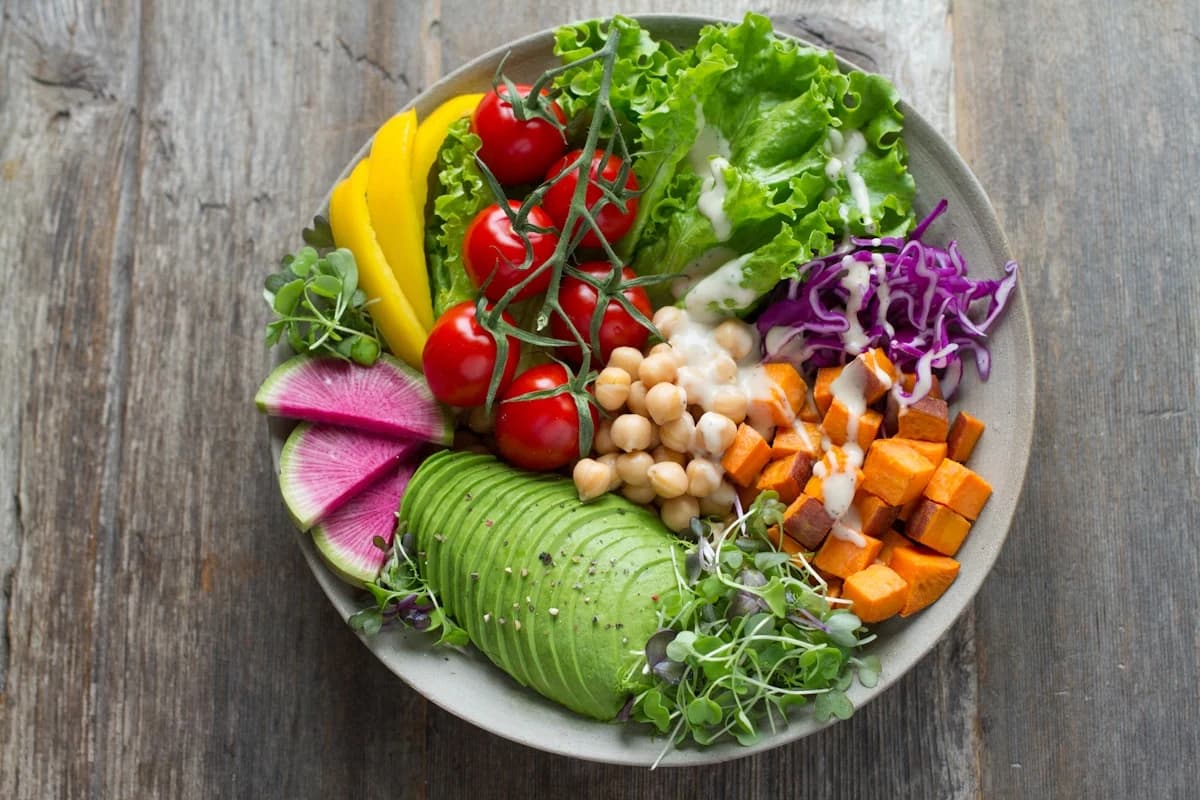
Dan Buettner's research identified five Blue Zones: Okinawa, Sardinia, Nicoya Peninsula in Costa Rica, Ikaria, and Loma Linda in California. While each culture has unique culinary traditions, the patterns are strikingly consistent: a diet predominantly of plants (95%), legumes as a cornerstone, moderate calories, and food as a social ritual.
Leading wellness retreats have taken notice. SHA Wellness Clinic's macrobiotic restaurant draws directly from Okinawan dietary principles. Lanserhof's therapeutic cuisine emphasizes digestive rest and nutrient density. COMO Shambhala's raw food programs echo the enzyme-rich diets of traditional cultures.